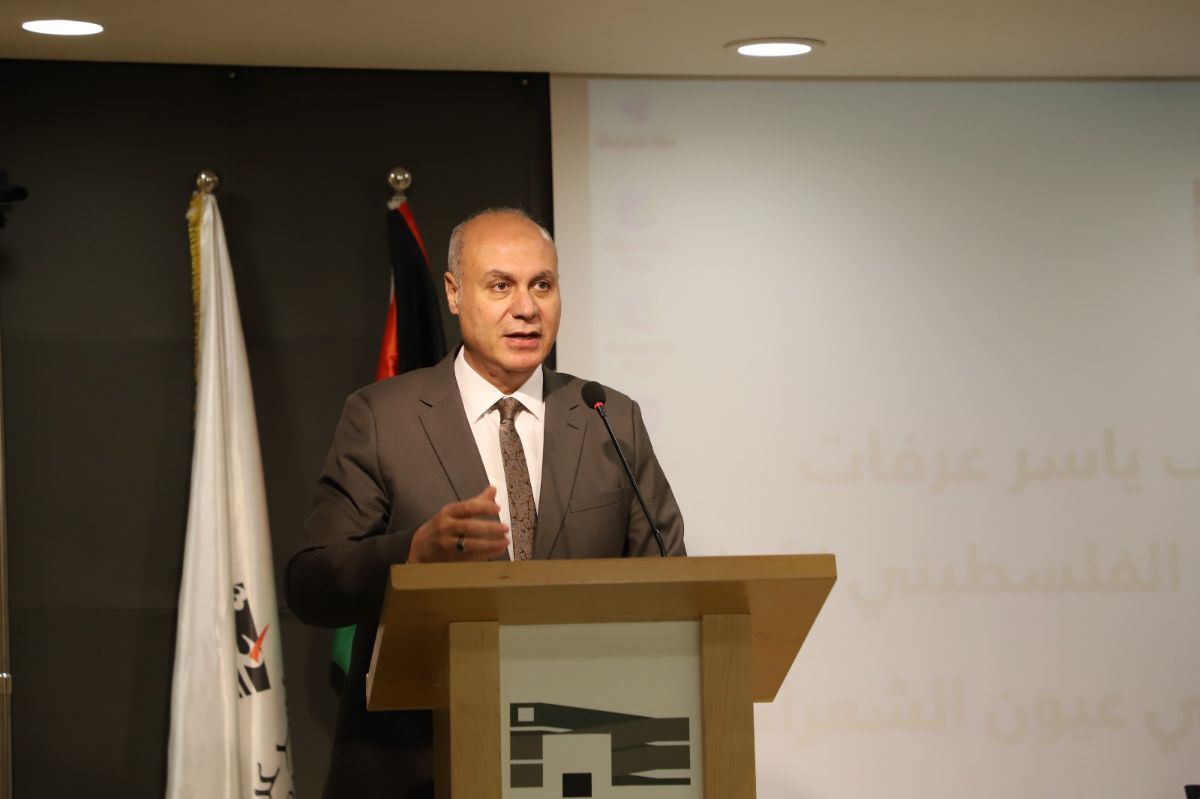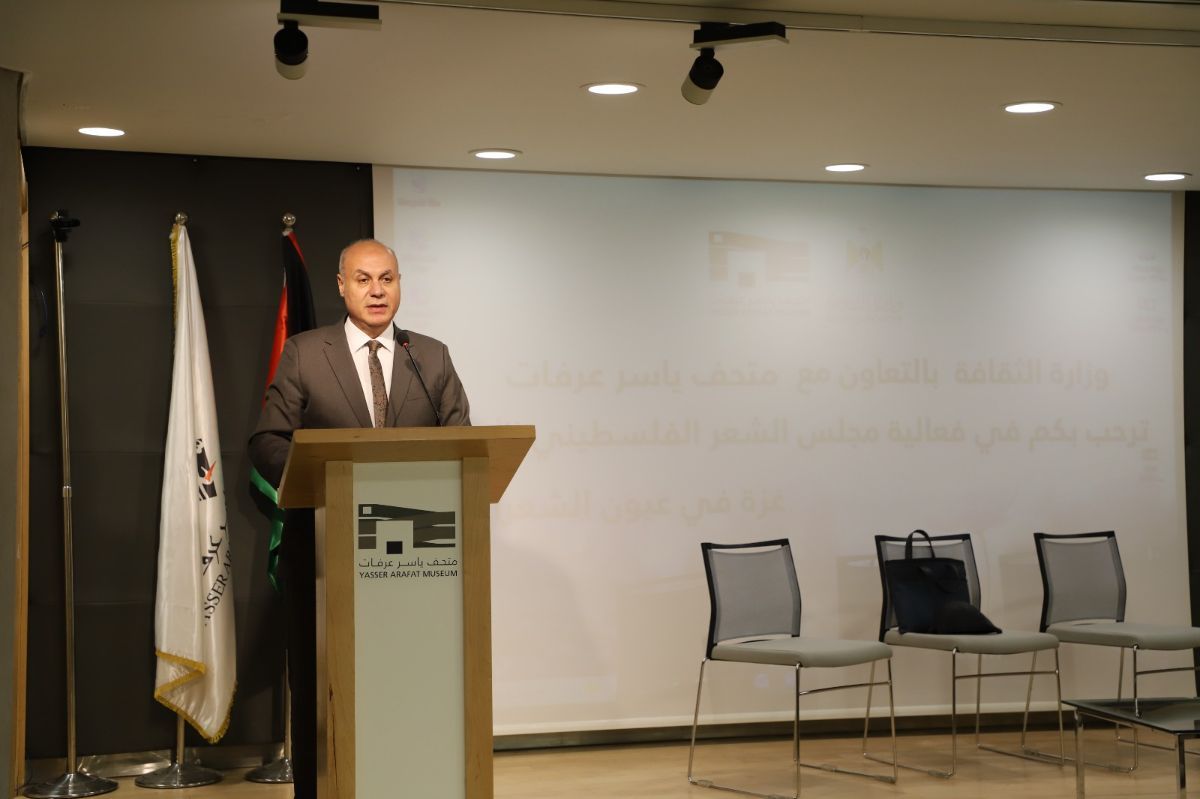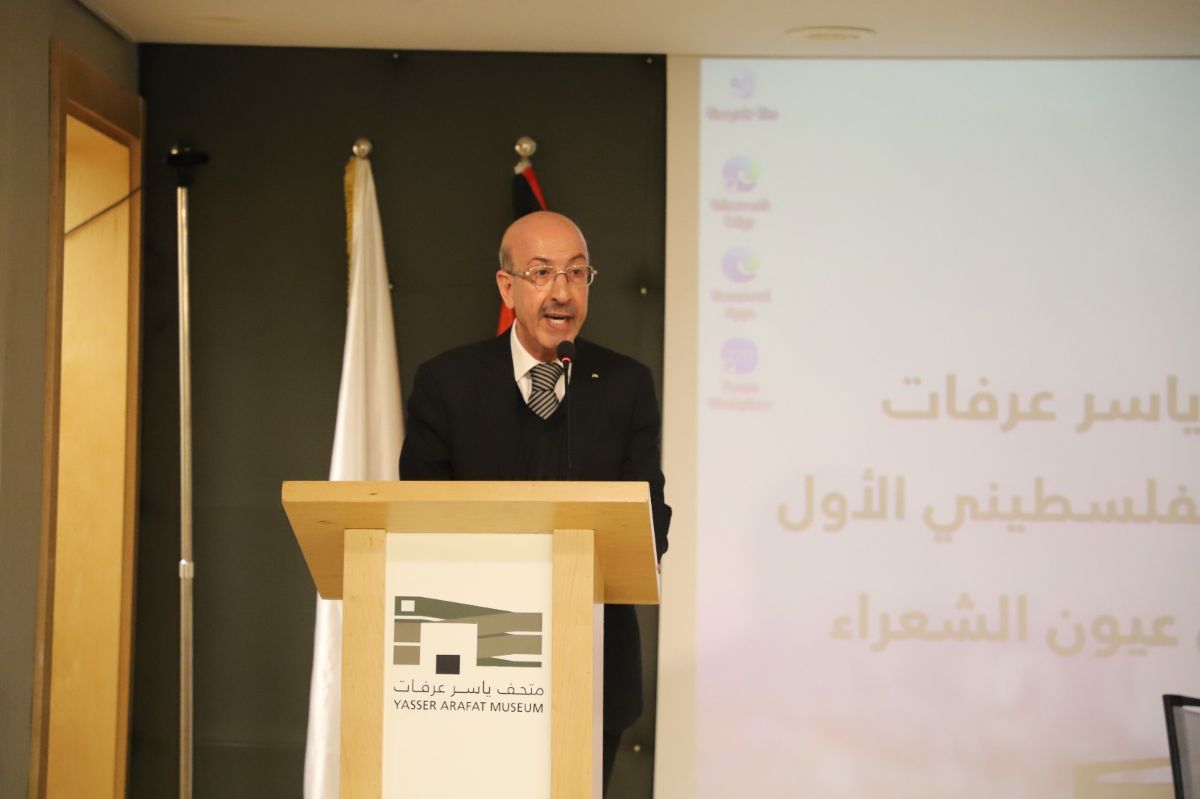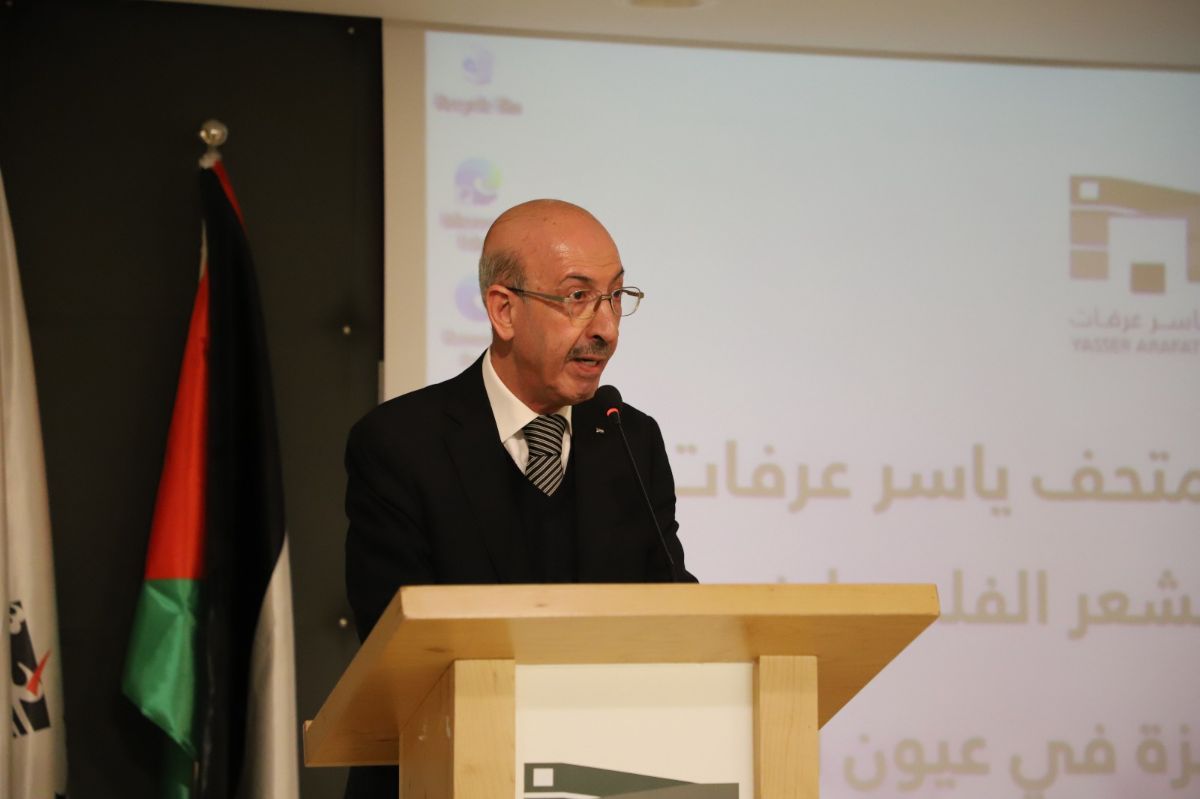
Dr. Ahmad Soboh, Chairman of the Board of the Yasser Arafat Foundation, stressed the vital role of culture and poetry in strengthening the Palestinian narrative, describing them as core components of Palestinian identity and a reflection of the steadfastness of the Palestinian people and their attachment to their land and rights.
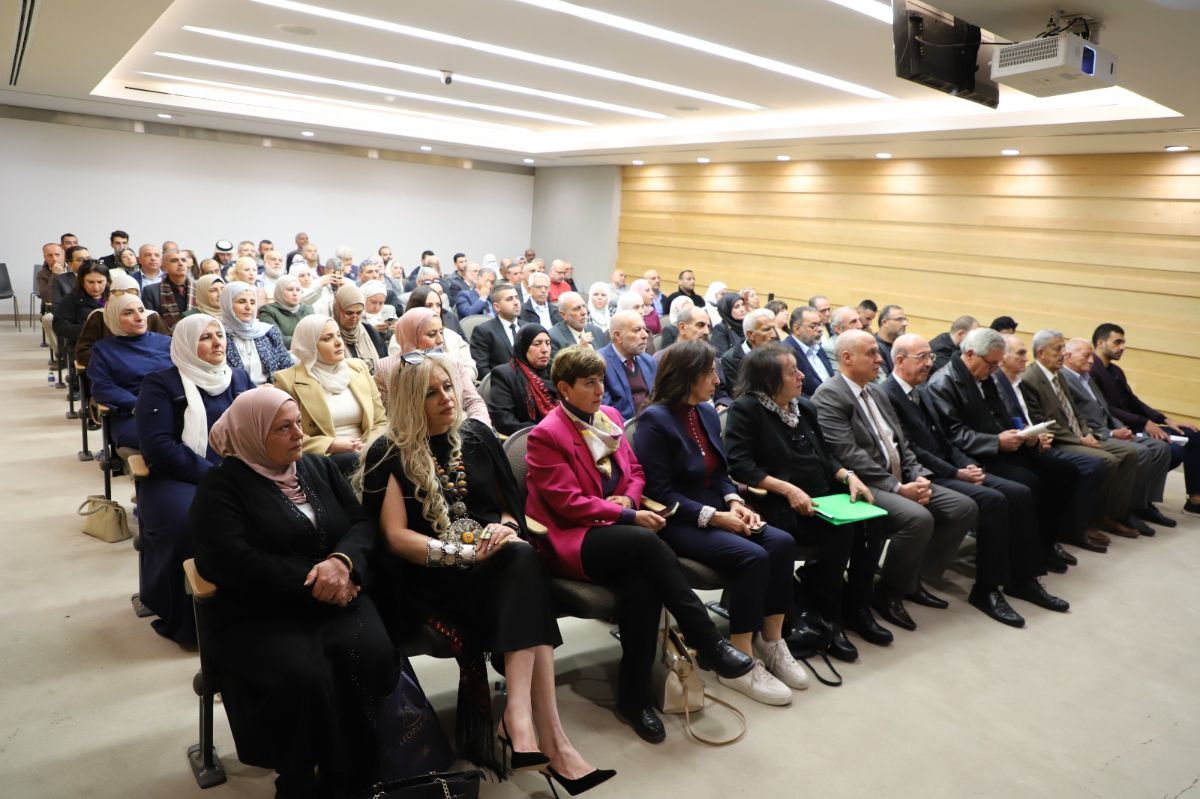
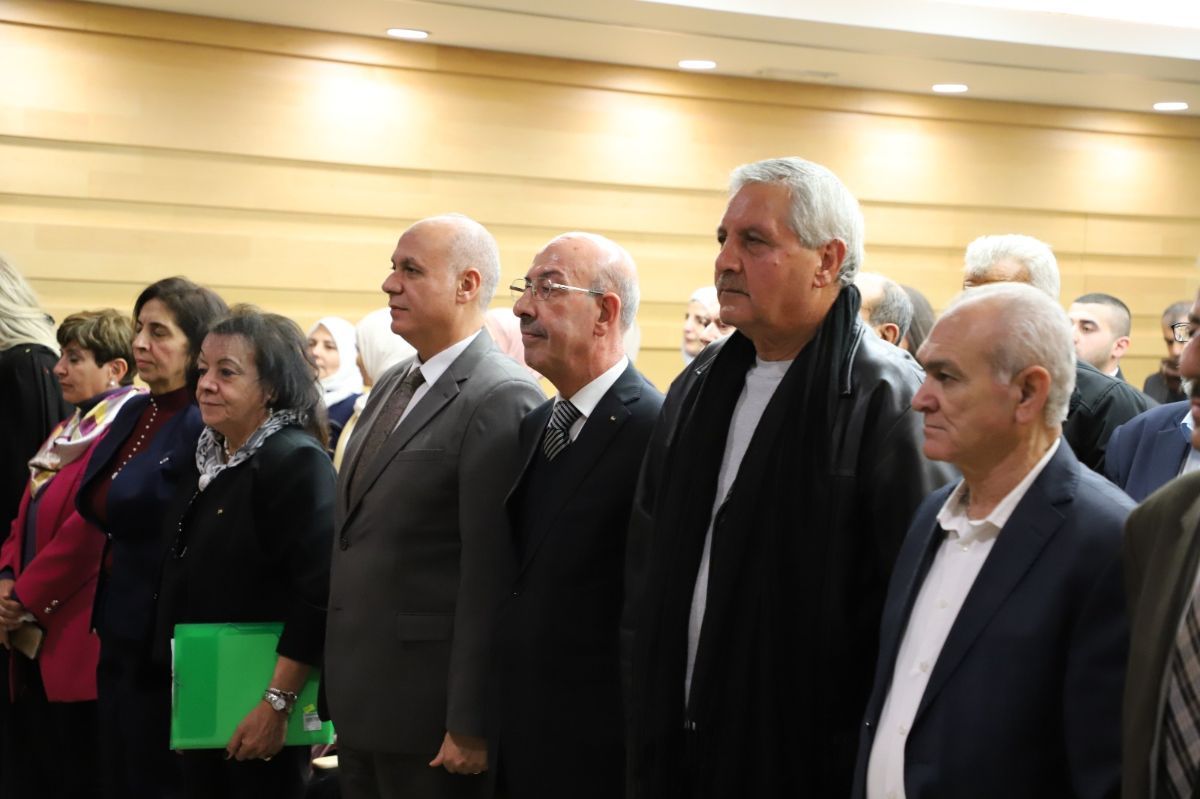
Speaking from Al-Muntada Hall at the Yasser Arafat Museum, near the tomb of the founding president and his final stronghold, the source of contemporary Palestinian nationalism, Dr.Soboh announced the launch of the First Palestinian Poetry Council, organized by the Palestinian Ministry of Culture on Tuesday, December 2, 2025. The event was attended by Dr. Imad Al-Din Hamdan, Minister of Culture; Dr. Odeh Masharqa, Director General of the Yasser Arafat Foundation; along with a group of writers, poets, and critics.
Soboh explained that this council represents one link in a much-needed chain of efforts to reinforce Palestinian national identity during a particularly difficult phase for the Palestinian cause, marked by a comprehensive assault and an evident war of annihilation against the Palestinian people. He pointed to the realities on the ground: martyrs, prisoners, the wounded, widespread destruction, incursions into Al-Aqsa Mosque and Palestinian cities, abuse of civilians, and other forms of aggression and genocide, including the occupation’s attempt to erase and undermine the Palestinian narrative itself.
He added that the Palestinian people have achieved significant breakthroughs, especially through Palestinian youth across the homeland and the diaspora, who have effectively used modern technology and social media to convey the Palestinian truth to the world. As a result, Palestine has become a symbol of the global human conscience.
Soboh also noted that during the broad commemorations of the 21st anniversary of the martyrdom of the founding president and the 38th anniversary of the Declaration of Independence, held in many places and
in various forms—other dimensions of the war against the Palestinian people became apparent. Among them were discordant Arab and non-Arab voices that question the legitimacy of the Palestine Liberation
Organization (PLO) and its representation of the Palestinian people.
These voices, often presented under the guise of analysts, historians, or intellectuals, call for bypassing the PLO and effectively promoting a dangerous vacuum—intentionally or otherwise—one that ultimately serves the occupation.
He stressed that any attempt to bypass the PLO and its factions constitutes a liquidation of Palestinian national rights, noting that those who sought a “warm embrace” outside the framework of the PLO did not find it, and must return to the embrace of the (homeland).
For his part, Dr. Imad Hamdan said: “Today, we stand in this great national landmark—the Yasser Arafat
Museum, the title of Palestinian memory, where the story is translated into responsibility, and responsibility into faith,” emphasizing that culture is the first line of defense for Palestinian existence.
He underscored the importance of the word as a carrier of the national message, stating that today’s message stretches from Gaza to Jerusalem, reaffirming commitment to the legacy of the martyrs, the prisoners, culture, and language.
Hamdan explained that convening the First Palestinian Poetry Council is a renewed declaration that, despite wounds, siege, and global complicity, the Palestinian people still believe in the word—a word that has struggled, consoled, and never once betrayed Palestine.
He paid tribute to poets, poetesses, critics, and creators who have shouldered the responsibility of keeping Palestine’s voice loud, and of ensuring that Palestinian language and poetry remain a bridge extending from the heart of the homeland to capitals around the world. He also expressed appreciation for the Yasser Arafat Foundation, its leadership, and all those who contributed to bringing this council to light.
Hamdan affirmed that the Ministry of Culture believes the Palestinian cultural scene needs genuine spaces where voices can meet and engage in dialogue. He highlighted poetry’s power to serve as a gateway to
building awareness, preserving identity, and inspiring new generations to write Palestine in their own language and in a voice that resembles no one but itself.
He concluded by emphasizing that poetry will always remain an integral part of the national cultural project, and that the Ministry will continue to support creative platforms and sponsor talents and initiatives that ensure the continuity of this great cultural legacy.
In closing, Dr. Hamdan declared that the Ministry of Culture will remain a faithful guardian of the nation’s word and of the culture that has sustained Palestinian endurance through the most difficult times.
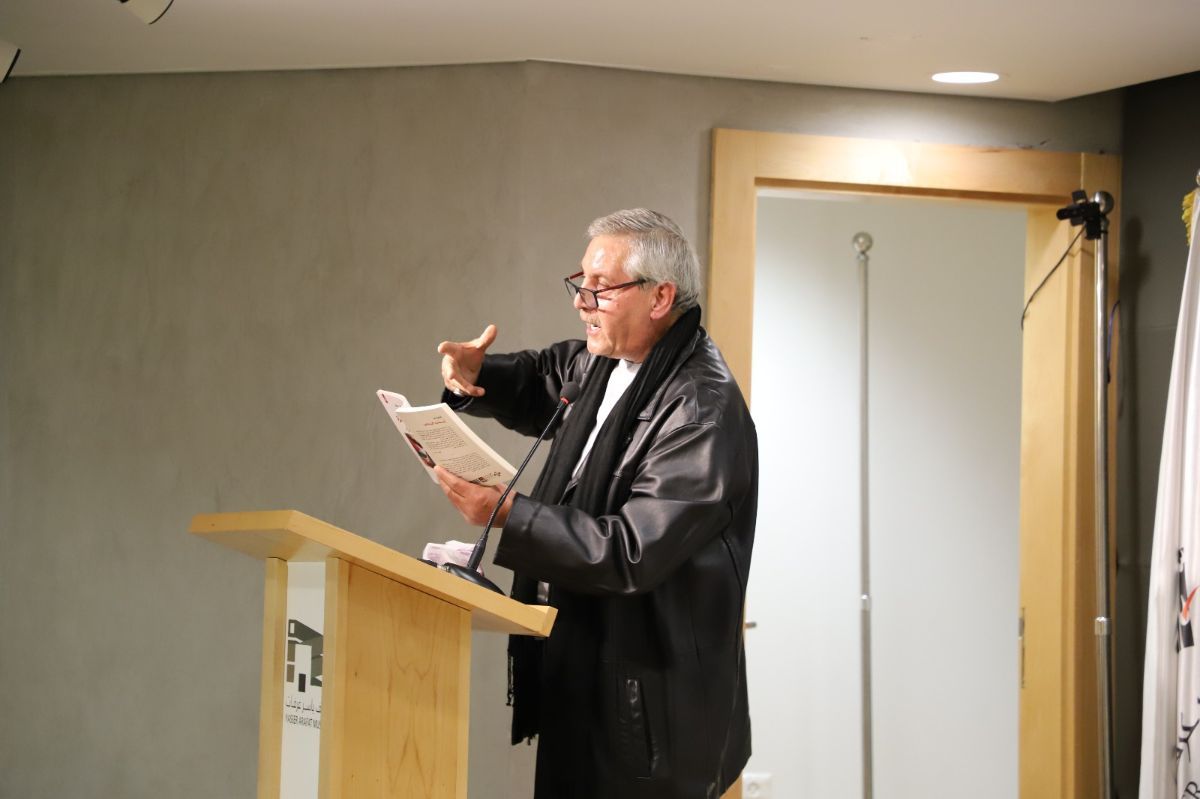
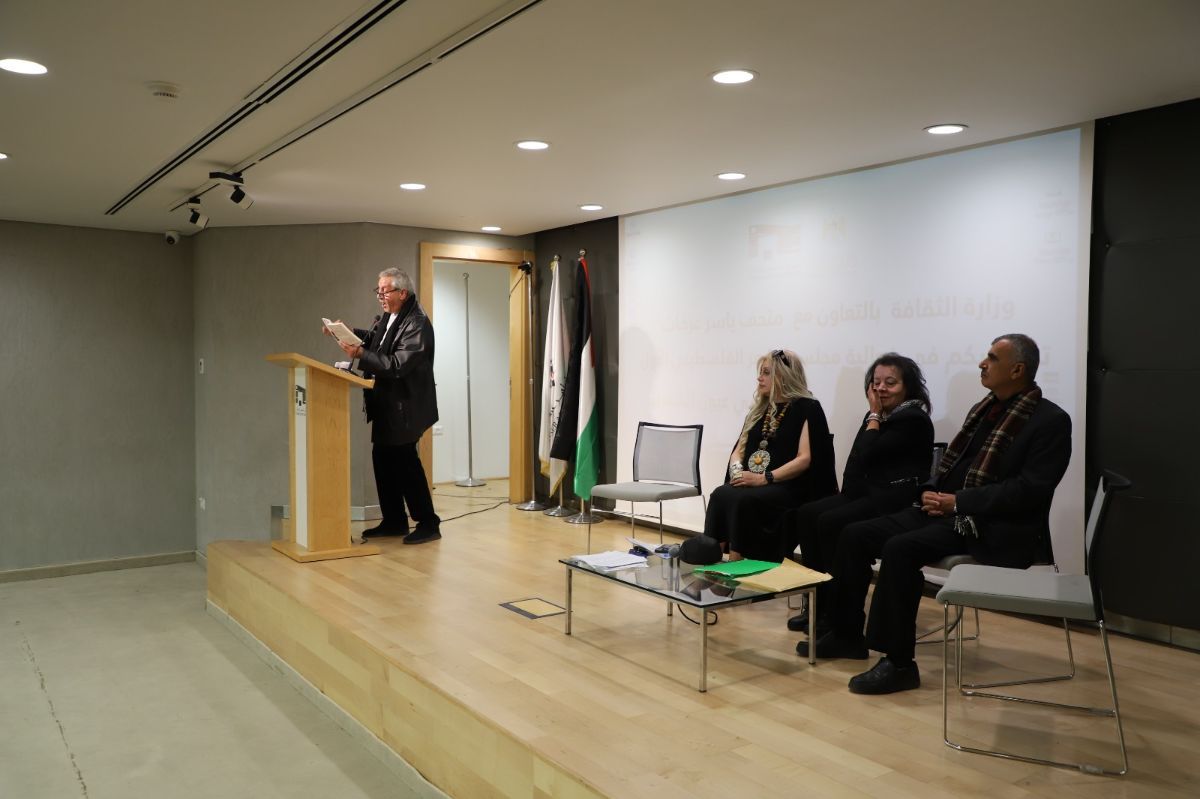
The event concluded with poetry readings held as part of the launch of the First Palestinian Poetry Council at the Yasser Arafat Museum.